
CUSTOMS WAREHOUSING
Bonded warehouse UK: pay duty only when your stock sells
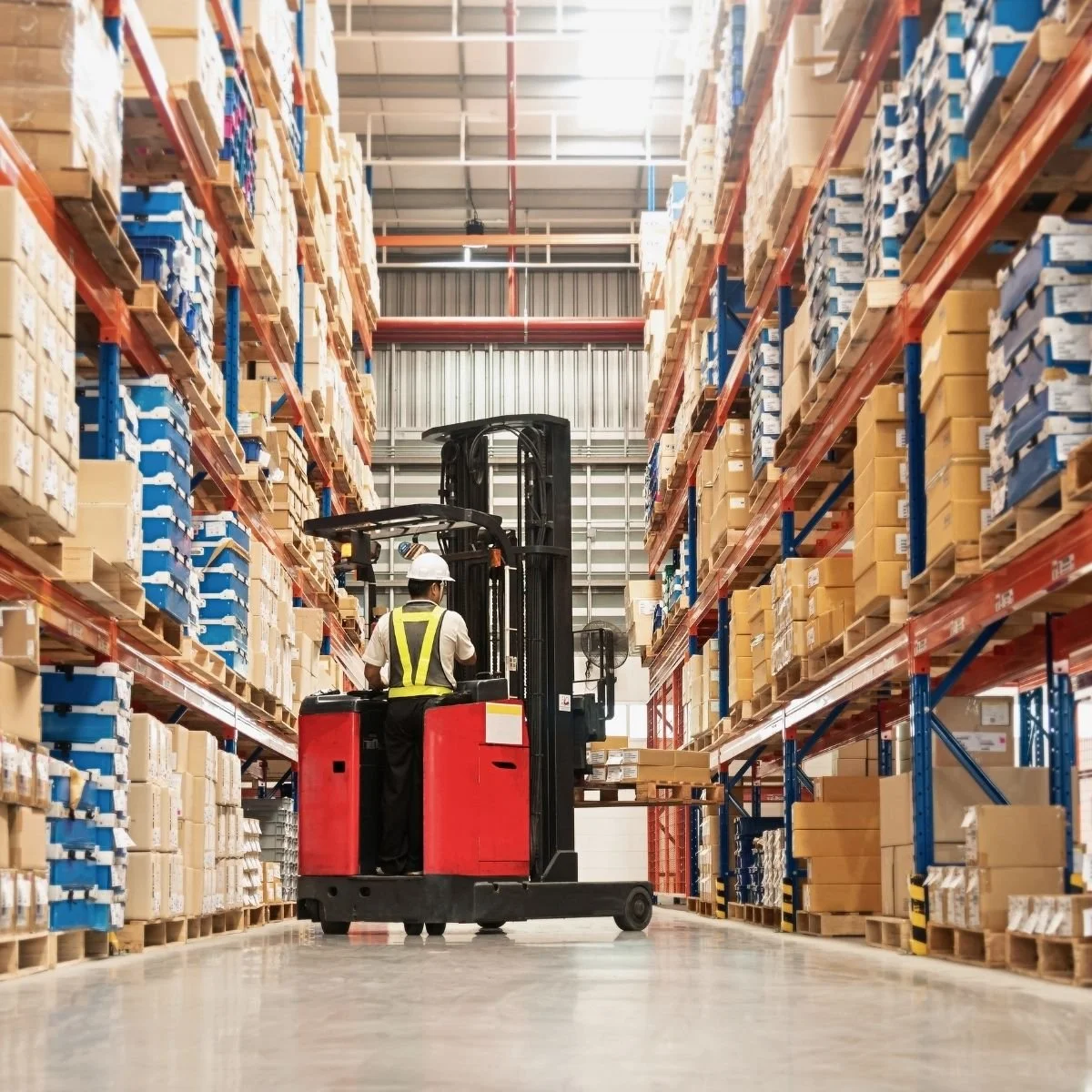
A bonded warehouse lets you store imported goods in the UK with import duty and import VAT on hold. You pay when goods are released for sale in the UK, and nothing at all on goods you export. Readyset gets your own site approved by HMRC and keeps the authorisation running.
Also known as a customs warehouse, the term used by HMRC.
£0
UK duty on stock you send abroad
No limit
on how long goods can stay
No minimum
import volume to benefit
your stock could save
authorisation, managed
ready for HMRC visits
IS THIS RIGHT FOR YOU?
Who uses a bonded warehouse?
Holding imported stock with duty on hold is standard practice for UK businesses. If you import goods and store them before they sell, it works for you. Four common examples:
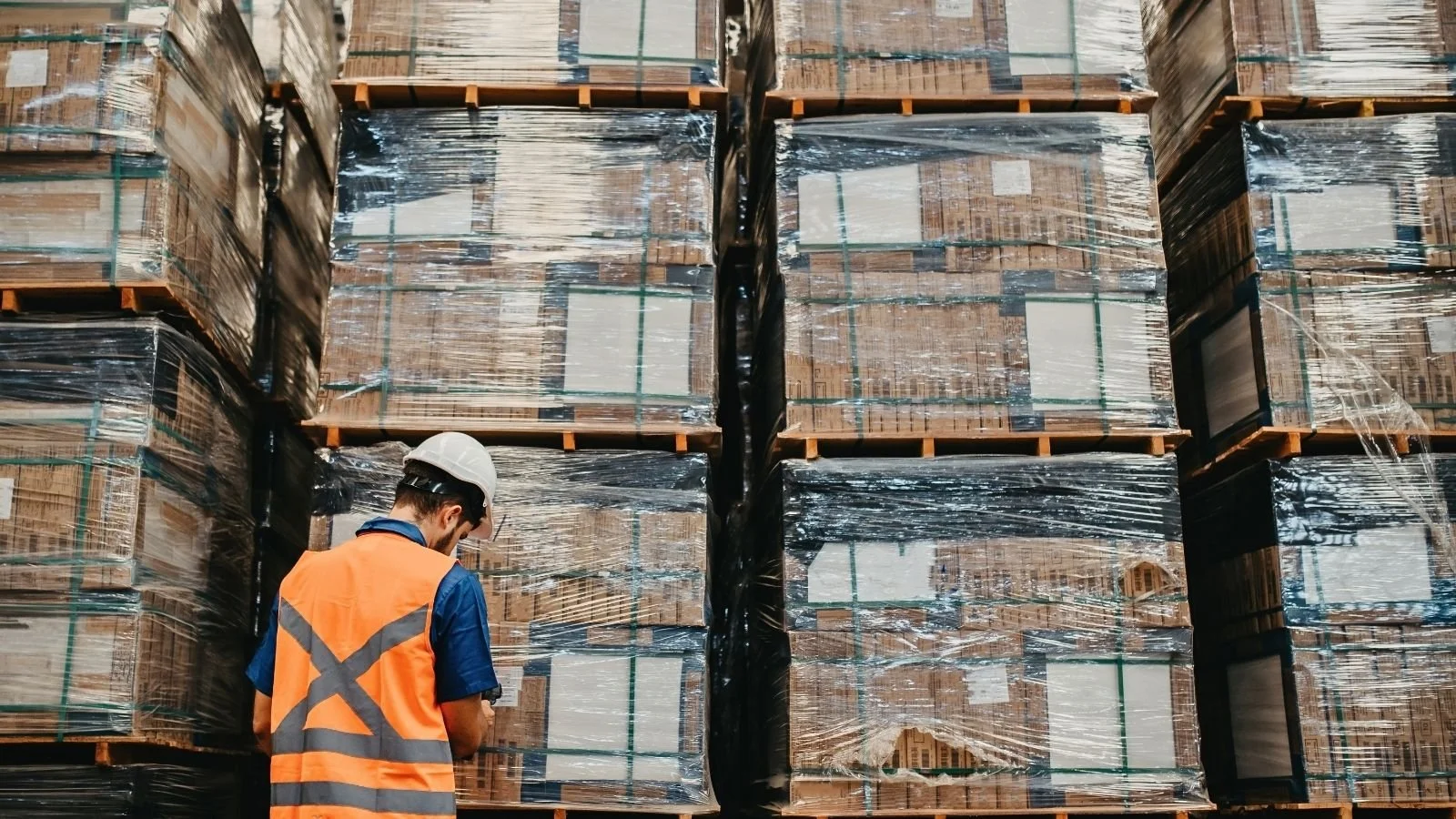 Homeware · Fashion · Toys · Ecommerce
Import in bulk, sell over months
Full containers arrive and sell over weeks or seasons. Duty is paid as each order leaves, and orders sent abroad pay no UK duty.
Duty paid as stock sells
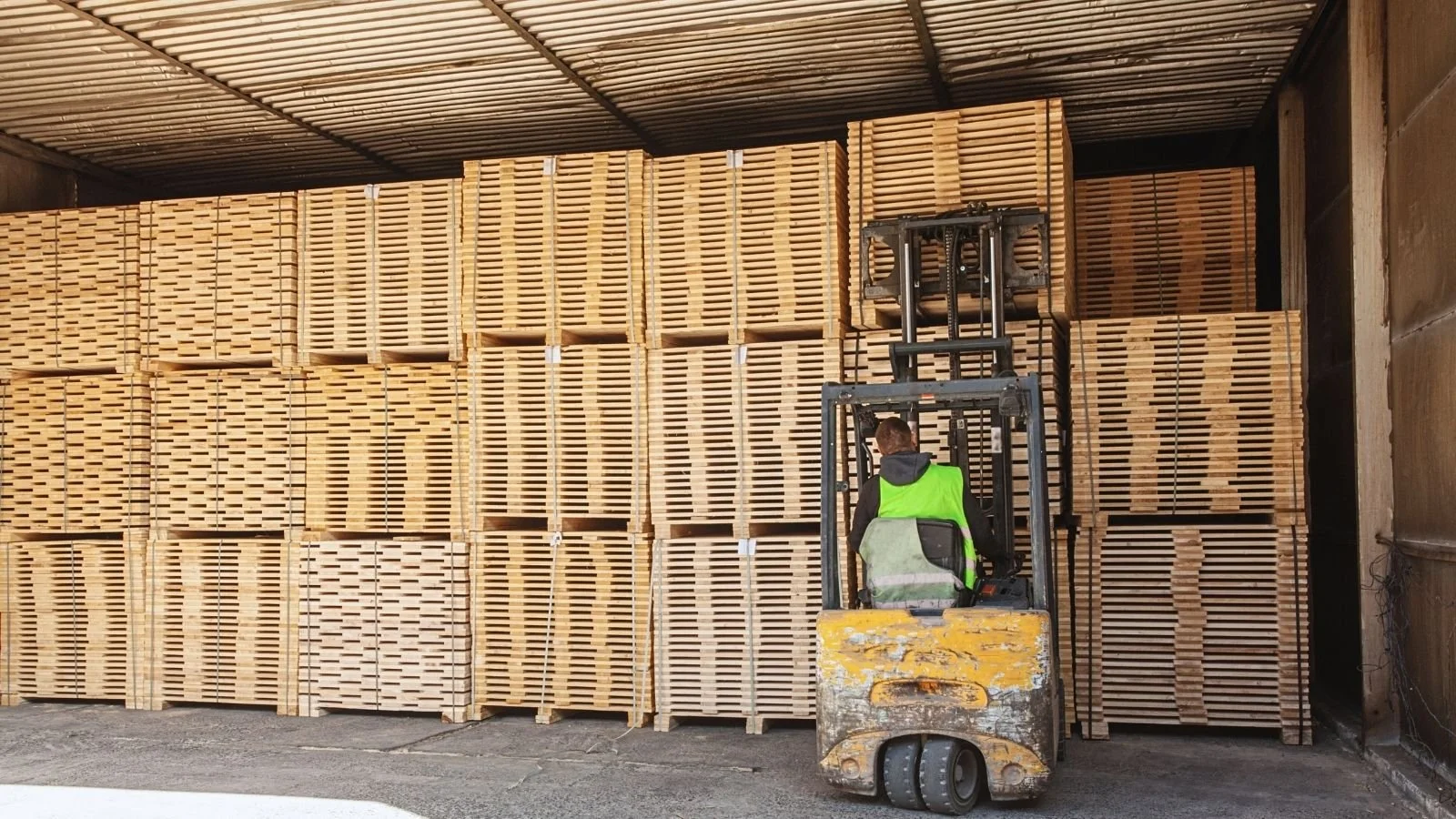 Timber · Plywood · Flooring · Tiles
Timber and building products in stock
Packs of timber, panels or tiles can sit in your yard for months before they sell. Duty stays on hold until they leave, anti dumping duty included.
No cash tied up in yard stock
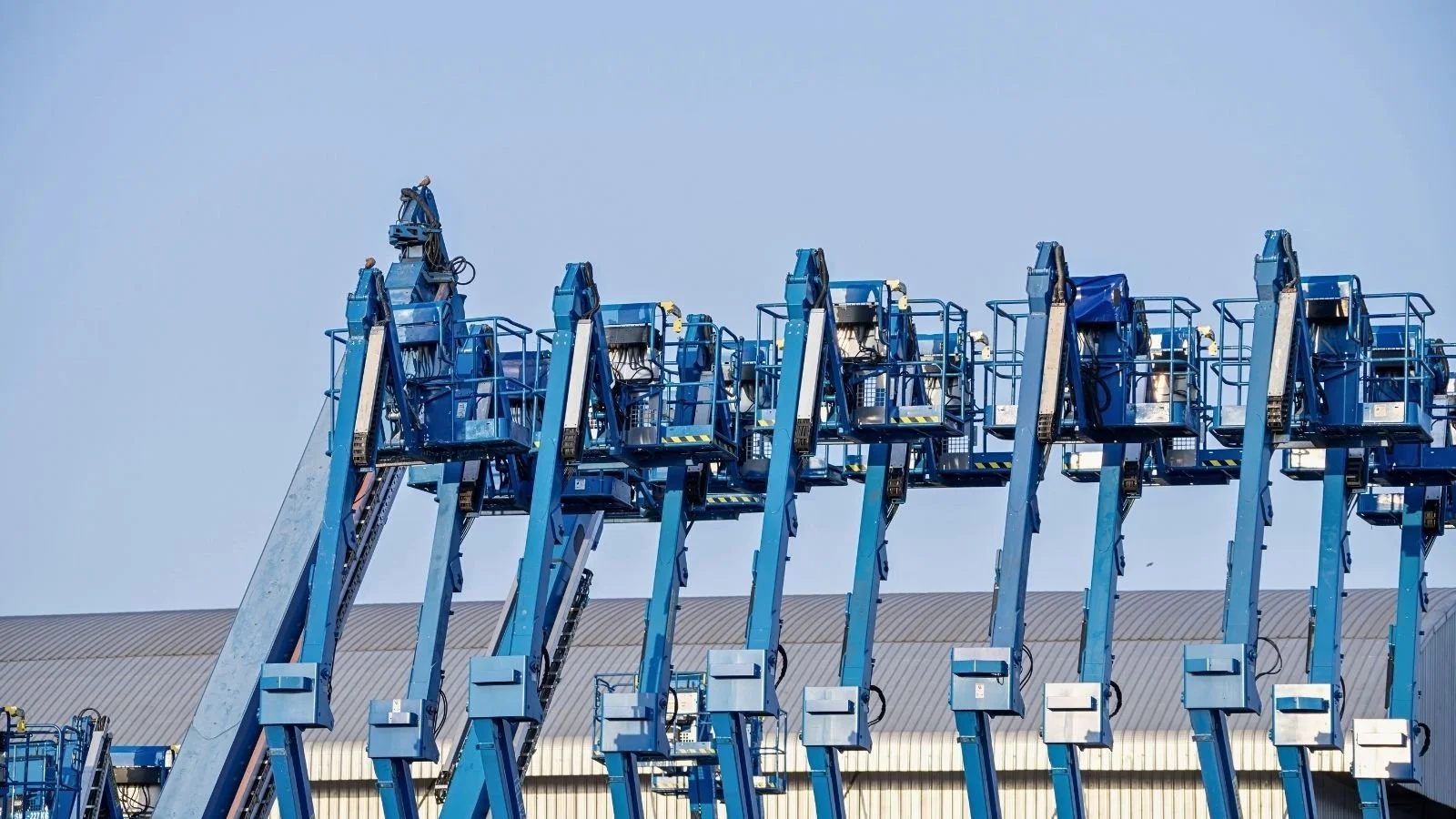 Access platforms · Plant · Spare parts
Machinery and spares for dealers
Machines and parts held for UK dealers, hire fleets and customers abroad. Anti dumping duty, like the new duty on boom lifts from China, is on hold too.
Nothing due on units sent abroad
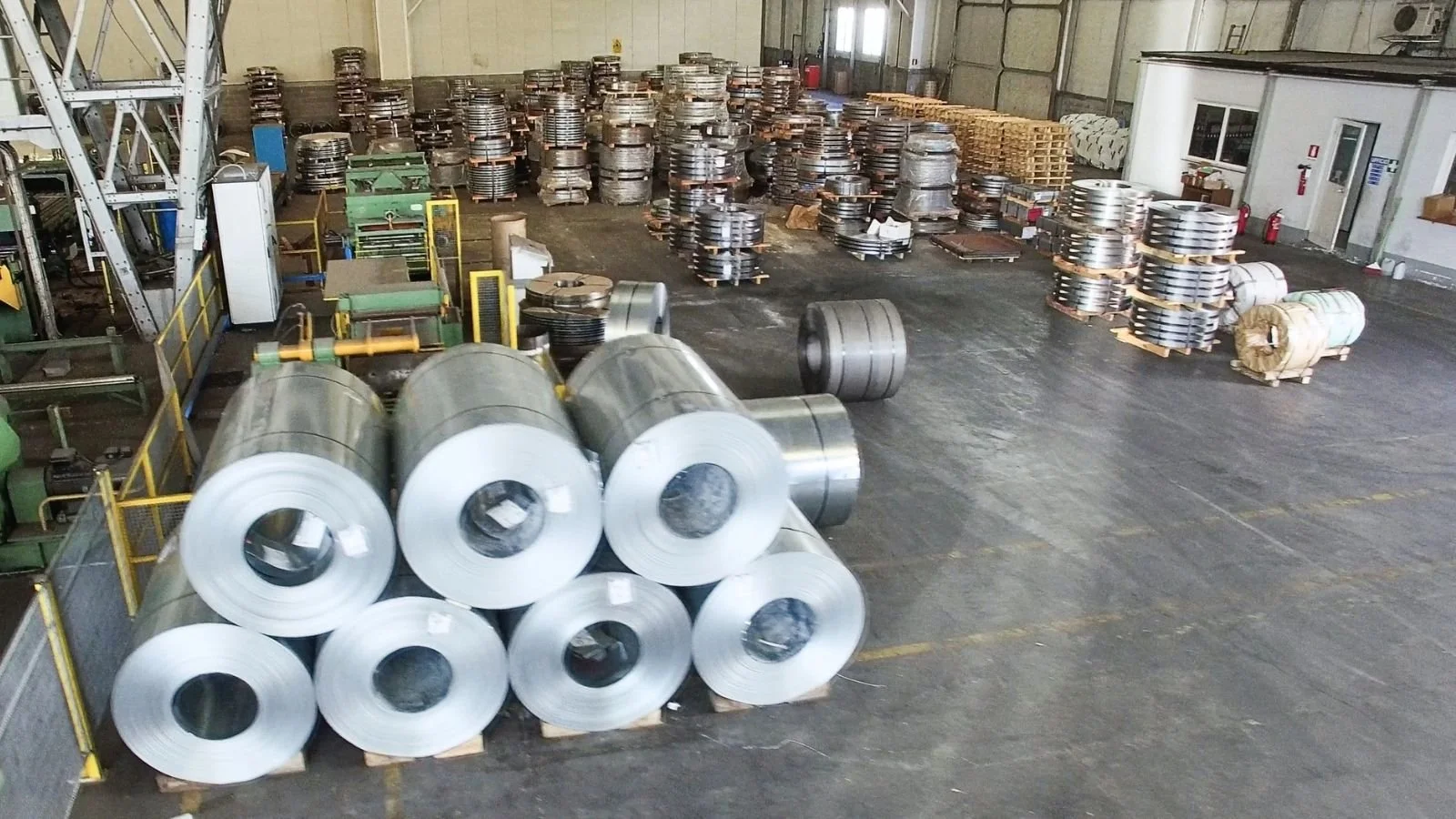 Steel · Rebar · Tubes
Steel waiting for quota
Since July 2026, steel over the quarterly quota pays a 50% tariff. Hold it under customs control and release it when the next quota opens.
Release when quota is available
Changing the goods, or storing alcohol and tobacco? Manufacturing or repair needs Inward Processing (IPR). Wine, spirits, beer and tobacco are held in an excise warehouse, which is a separate approval. We confirm which applies before your goods move.
THE BASICS
What is a bonded warehouse?
A bonded warehouse, called a customs warehouse by HMRC, is an approved place where goods from outside the UK are stored with import duty, excise duty and import VAT suspended. The duty becomes due only when goods are released for sale in the UK. Goods can stay for as long as you need, with no time limit. There are two types.
Private customs warehouse
Your own goods, at your own site
Your business holds the HMRC authorisation and runs the warehouse. You control the stock, the records and the timing.
- Best for importers with their own premises
- No storage fees to a third party
- This is where Readyset does the work
Public customs warehouse
Other people's goods, run by an operator
A warehouse business holds the authorisation and stores goods for its customers. If you use one, the operator handles the approval and you deal with them directly.
- You pay the operator's storage fees
- You rely on their records standing up
- Want your own instead? That is where we come in
Four ways goods leave a customs warehouse
Released for sale in the UK
Duty and import VAT are paid at the point of release.
Duty due nowExported
Goods leave the UK straight from the warehouse.
No UK dutyMoved to another procedure
For example into IPR for processing. Many businesses hold both.
Still on holdDestroyed
With HMRC's approval first. Any scrap left with a resale value is charged duty.
No duty if fully destroyedCustoms (bonded) warehousing at a glance
Checked against GOV.UK ·| What it does | Suspends import duty, excise duty and import VAT on non UK goods held in an approved warehouse |
|---|---|
| Also called | Bonded warehouse, customs bonded warehouse |
| Types | Private (you store your own goods) and public (an operator stores goods for others) |
| Time limit | None. Goods can stay as long as the authorisation is in place |
| Who can apply | UK established, EORI number, financially solvent, good customs record, a business need, able to keep inventory records |
| How to apply | HMRC online form (or postal form), ideally at least 2 months before you want to start |
| Guarantee | May be needed for the duty and VAT on hold, unless you are an AEO or meet the AEO conditions |
| Getting goods in | Goods must reach the warehouse within 5 working days of customs clearance |
| What you can do to goods | Usual forms of handling only, such as repacking, relabelling, sorting and sampling. Processing needs IPR |
| Records | A stock account showing every movement in and out, open to HMRC at any time. No Bill of Discharge |
| Selling while stored | No supply VAT on sales made while goods are in the warehouse, except retail sales |
| Worth it when | You import goods and hold them before they sell. There is no minimum volume |
Sources: GOV.UK, how to use a customs warehouse · apply to operate a customs warehouse · customs warehousing technical handbook
WHY IT MATTERS
What a bonded warehouse does for your cash flow
Without one, every container pays duty at the port, including stock that will sit for months or leave the UK again.
Cash stays in the business
Duty is paid when stock is sold, often months after it lands. That money funds growth in the meantime.
No duty on what you export
Goods sent to customers outside the UK leave the warehouse without UK duty ever being paid on them.
You decide when duty is due
Release goods when a buyer, a licence or a tariff quota is ready, with duty worked out at the rates on the day of release.
Worked example. A smaller importer brings in £600,000 of goods a year at 12% duty, and exports 20% of them. Paying at the port costs £72,000 a year. With a bonded warehouse, the £14,400 on exported goods is never paid, and the other £57,600 is paid only as stock sells. If stock takes four months to sell, that is around £19,200 less cash held by HMRC at any time.
Duty you would never pay£100,000
Cash back in the business at any time£37,500
A rough guide only. Your real figure depends on commodity codes, origin and how you trade. Want the real number? We work it out free from your import data.
CLIENT CASE STUDY · UK CLOTHING AND HOMEWARE IMPORTER
Their stock failed an HMRC check at a third party warehouse. Three months later, their own bonded warehouse was approved with no findings.

A fast growing £15m importer of clothing and homeware from Asia, selling to UK retail and ecommerce, and to wholesale customers in Ireland and the EU. They were paying around £97,000 a year in import duty at the port, including on stock that would later leave the UK. They came to Readyset in April 2026.
1Before
£97,000a year in import duty, paid at the port
- 30 to 40% of that stock was later exported, with no way to recover the duty
- Cash tied up in unsold stock at every seasonal peak
- A third party warehouse's records failed an HMRC stock check
2What we did3 months
- Assessed the site: approved area, separation of duty paid stock, access control, CCTV
- Set up the warehouse system to hold customs status for every pallet and SKU
- Prepared the application and working procedures, with the guarantee waived
- Ran a mock HMRC stock check and trained the warehouse and finance teams
3After
£39,000a year in UK duty no longer paid on exported stock
- Approved with no findings at HMRC's inspection
- No guarantee needed, so no ongoing guarantee cost
- Moved to a larger site and won a major new retail listing
- Still with Readyset on Monthly Customs Management
“If you're weighing up a bonded warehouse, they would be my first recommendation.”
There's more to it than we expected going in, particularly the stock record requirements and the written procedures HMRC want to see. Readyset knew exactly what was needed at each stage, so it never became a drain on our time.
What HMRC asked at the inspection. We had the client ready for every one.
HMRC asked
How does your stock system tell duty suspended goods from duty paid goods, and how quickly can you reconcile the two?
HMRC asked
What happens when a discrepancy is found, and how is the duty on missing or damaged goods worked out and declared?
HMRC asked
What stops goods leaving the approved premises without a customs declaration?
HOW WE WORK
From first sums to an approved bonded warehouse
We work alongside your warehouse and finance teams, at your site, until HMRC has approved it and after. Want to see every step first? Read our guide to setting up a bonded warehouse in the UK.
Duty and stock review
Your import data turned into a real figure: cash tied up, duty on exports, and the saving before anything is filed.
Site and systems
The customs area, security and your warehouse system set up the way HMRC expects to see them.
Application and procedures
Site plans, written procedures, commodity codes, guarantee, and every HMRC question and visit handled.
Mock audit and upkeep
A practice stock check before HMRC arrives, team training, then the stock account kept reconciled.
15+ yearsof UK customs and HMRC compliance experience
Senior consultantson every authorisation, never passed down
Clients worldwidebusinesses importing into the UK from every region
KNOW THE DIFFERENCE
Customs warehousing or another procedure?
Several procedures put duty on hold, and they are not interchangeable. The right one depends on what happens to the goods.
Customs Warehousing
Stored, then sold or exported
Goods held with duty on hold until they sell in the UK or leave it.
Use when you hold stock before it sells.
Inward Processing
Changed, then exported
Goods manufactured, processed or repaired before they leave.
Use when you work on the goods.
View Inward Processing →Temporary Admission
In and out unchanged
Goods here for an event, a project or a test, then leaving as they came.
Use when the stay is short and specific.
View Temporary Admission →Freeports
Inside a Freeport customs site
The Freeport procedure covers storage and processing in one.
Use when your site is inside one.
View Freeports →Storing and processing? Read customs warehousing vs Inward Processing: how to choose →
WHERE IT GOES WRONG
The three things HMRC checks hardest
A customs warehouse holds goods with duty unpaid, so HMRC can visit at any reasonable time and expects every item accounted for.
Stock that does not reconcile
If the stock account and the shelves disagree, duty becomes due on the difference, often with a penalty.
Security below standard
The customs area, CCTV, access and the separation of duty paid stock all have to meet what the authorisation says.
Goods out without a declaration
Every removal must tie back to its customs declaration. Without that trail, duty can be charged twice.
In our case study, the first warehouse had an authorisation. What it did not have was a stock record that stood up to an HMRC count. That is the part we build first.
WHAT IT COSTS
What does bonded warehouse consultancy cost?
There are two costs: getting approved, and running the warehouse once you are. Ours depends on three things.
Sites in scopeOne site or several, and how stock moves between them
Systems you haveWhether your stock system already tracks customs status
Goods and volumesHow many product lines, and how fast they move
The first conversation is free and is mostly us doing sums. If it stacks up, you get a fixed fee for the authorisation, agreed before we start. Running the stock account afterwards can sit inside Monthly Customs Management for one monthly fee.
Any volume
If you import goods and hold them before they sell, a bonded warehouse saves cash and duty. We show you how much before you spend anything.
RELATED SERVICES
Customs warehousing works alongside these
Related service
AEO accreditation
AEO status, or meeting its conditions, can remove the guarantee HMRC asks for on a customs warehouse.
Learn more →Related service
Monthly Customs Management
We run your customs warehouse for one fixed monthly fee: stock account reconciled, removals declared, ready for any HMRC visit.
Learn more →Related service
Excise warehousing
For wine, spirits, beer and tobacco, where excise duty is held under a separate approval.
Learn more →Before you ask
Frequently asked questions about bonded warehouses
Have a question not covered here? Book a free consultation and we'll give you a straight answer, no sales pitch, no commitment required.
What is a bonded warehouse in the UK?
A bonded warehouse is a place approved by HMRC where goods from outside the UK are stored with import duty, excise duty and import VAT suspended. Duty is paid when goods are released for sale in the UK. Goods that are exported from the warehouse never pay UK duty.
Is a bonded warehouse the same as a customs warehouse?
Yes. Customs warehouse is HMRC's official name and bonded warehouse is the everyday one. Both mean the customs warehousing procedure. Warehouses holding alcohol or tobacco under excise duty suspension are excise warehouses, which is a separate approval.
How long can goods stay in a bonded warehouse?
There is no time limit in the UK. Goods can stay for as long as the authorisation is in place. HMRC can ask for goods to be moved out only if they pose a risk to people, animals, plants or the environment.
How do I set up a bonded warehouse in the UK?
You apply to HMRC to be approved as a warehousekeeper, using the online form, ideally at least 2 months before you want to start. You need to be UK established with an EORI number, solvent, with a good customs record, a business need and inventory records HMRC can check. Our step by step guide to setting up a bonded warehouse in the UK covers the full process.
What does HMRC need to see in the application?
Written procedures for goods coming in and going out, screenshots of your warehouse or duty management system, site plans with the customs area and CCTV marked, your commodity codes (at least 6 digits), the customs procedure codes you will use, a personnel chart, your lease if the site is rented, and your health and safety policy.
How much does a bonded warehouse cost?
For your own site there are two costs: getting approved, and running it. We quote a fixed fee for the authorisation after a free review. Running costs are mainly the time spent keeping the stock account accurate. Storage fees only apply if you use a public warehouse run by someone else.
Do I need a guarantee for a customs warehouse?
HMRC may ask for a guarantee to cover the duty and VAT on hold. You do not need one if you are an Authorised Economic Operator or can meet the AEO conditions, which is one reason many warehousekeepers also hold AEO status.
Is VAT charged on goods in a bonded warehouse?
Import VAT is suspended while goods are in the warehouse and becomes due when they are released for sale in the UK. Goods sold while they are still in the warehouse are not charged supply VAT, unless the sale is a retail sale.
What can I do to goods in a customs warehouse?
Only usual forms of handling, which preserve the goods or prepare them for sale: repacking, relabelling, sorting, sampling and similar. Anything that changes the goods, such as manufacturing or repair, needs Inward Processing.
Can I sell online straight from a customs warehouse?
Yes. HMRC allows sales to remote and online customers where goods are picked and dispatched to order. Duty and VAT are handled on release for UK orders, and orders going abroad leave without UK duty.
What are the disadvantages of a bonded warehouse?
Mostly the discipline it asks for. The stock account has to be right at all times, the site must meet HMRC's security standards, and HMRC can visit unannounced. That is the part we set up and help you keep running.
What happens if HMRC visits unannounced?
HMRC can visit at any reasonable time to check the premises, the records and the goods. Officers typically compare stock on the shelves with the stock account and follow removals back to their declarations. If the two do not match, duty becomes due on the difference. A mock stock check before approval is how we get clients ready.
Can Readyset manage the warehouse compliance for us?
Yes. Once you are approved, we can keep the stock account reconciled, declare removals and keep you ready for HMRC visits through Monthly Customs Management, for one fixed monthly fee.
Can Readyset help if we use a public bonded warehouse?
If your goods are in a public warehouse, the operator holds the authorisation and you deal with them directly. We come in when you want your own authorisation at your own site, which is usually when volumes grow or you want full control of your stock.
We are based outside the UK. Can Readyset still help?
Yes. The warehousekeeper must be established in the UK, so we advise on who should hold the authorisation and manage the process with HMRC for clients around the world.
Find out how much a bonded warehouse could save you
Have a free chat with us. We will look at what you are actually paying in duty and how you trade, and tell you honestly whether it is worth doing.