

88%of eligible UK imports already claim lower dutyGOV.UK
Apply for Inward Processing Relief with Readyset
and let our IPR consultants handle HMRC
Readyset is a UK Inward Processing Relief consultancy. We handle your HMRC IPR application end to end and keep it running, so you pay no import duty on the goods you process and export.
approved by HMRC
submitted for you
we start
Our Inward Processing Relief services
Choose the support that fits how you use IPR. Our team does the work, with the same documented process every time.
Full authorisation
IPR application
Your HMRC authorisation to import goods for processing, repair or manufacture with the duty suspended.
- No import duty on the goods you export
- Your saving worked out before you apply
- Application ready within 10 days of your first call
Best for manufacturers, processors and repairers importing every month
Apply for IPR with Readyset →After approval
Ongoing IPR compliance management
We keep your IPR running smoothly, so the duty savings keep coming every quarter.
- Every Bill of Discharge filed on time
- Imports and exports tracked for you
- HMRC questions and visits handled
Best for IPR holders who want it handled for one fixed monthly fee
Keep your IPR running →Already hold IPR
IPR review and HMRC support
A check of the authorisation you already hold, or support when your business changes.
- Records and discharges checked against HMRC's rules
- Authorisation amendments as you grow
- Support before and during HMRC visits
Best for IPR holders facing an HMRC visit, a change or a missed deadline
Get your IPR reviewed →Only need IPR now and then? We also handle authorisation by declaration. Book a free call and we'll recommend the right route.
Why businesses use an IPR consultant
HMRC expects you to account for every imported item. Our team takes that work on for you.
On your own
- Working out HMRC's rules and tests yourself
- Rates of yield and records built from scratch
- Bills of Discharge to remember every quarter
- HMRC questions answered alone
- Duty demands if a return slips

With Readyset
- Your duty saving confirmed before you apply
- Application ready in 10 days
- Records set up around how you already work
- Bills of Discharge filed on time for you
- Every IPR application approved first time
The benefits of Inward Processing Relief for your business
Import duty stops being a cost on everything you make for export.
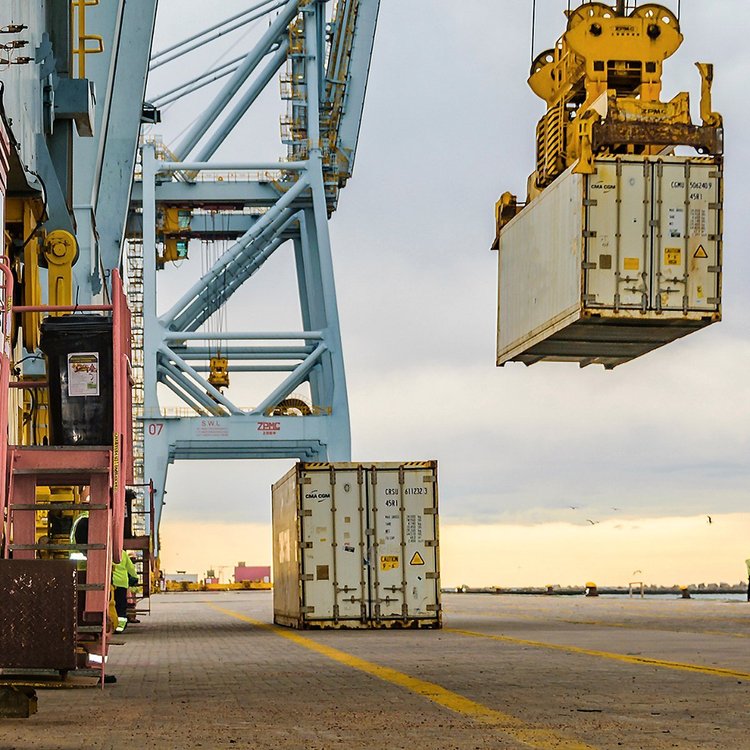
No import duty on goods you export
Duty and import VAT are suspended at import and never paid on what leaves the UK.

Cash stays in your business
Nothing is paid upfront while your goods are being processed.

Sharper prices on export contracts
Quote overseas buyers without import duty built into your costs.
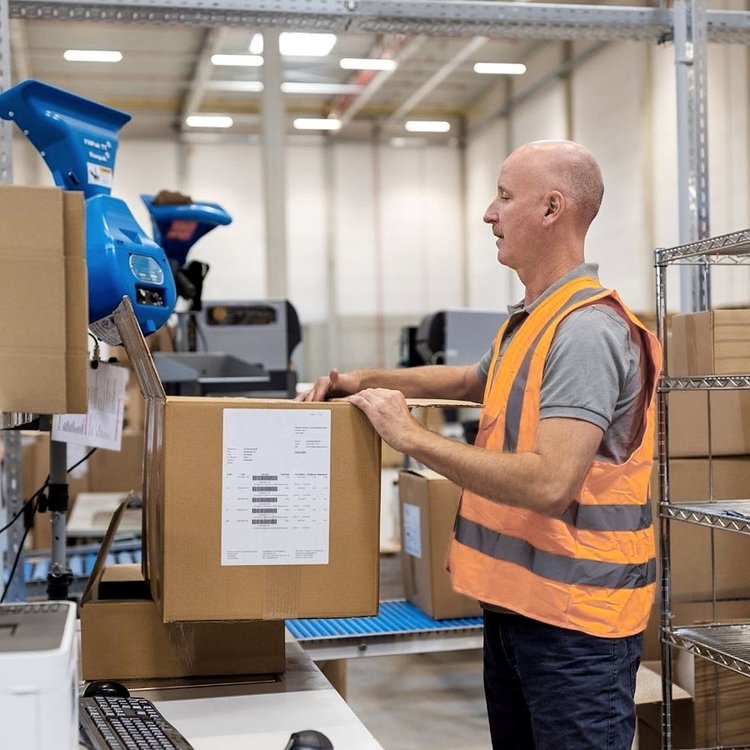
Sell in the UK or export, decide later
Duty on any UK sales is settled later, and can be worked out on the finished product.
Benefits as set out by HMRC on GOV.UK. See how IPR compares with other reliefs in our guide to UK import duty relief schemes.
How we helped a UK pharmaceutical manufacturer stop paying duty on its exports
Their biggest export contract was up for renewal, and a competitor already had IPR.
1Where they were
£37,000a year in duty paid on exported goods
- An in house IPR application had stalled
- No way to recover duty once goods were exported
- A competitor with IPR was undercutting them at renewal
2What we took on
- Mapped every imported input to its duty rate and export share
- Linked batch records to customs records
- Applied, agreed the discharge period and arranged the guarantee
- Set up the Bill of Discharge process and showed the team how it runs
3Where they are now
£0duty on exported goods, every year
- First Bill of Discharge accepted with zero HMRC queries
- Largest export contract renewed, and a second won
Questions HMRC asked. The team was ready for every one.
How does your system trace a specific imported consignment through processing to the exported product?
How are waste, scrap and by products from processing accounted for?
How do you make sure each Bill of Discharge is submitted on time?
Who we help with Inward Processing Relief
Businesses that import goods, change them in the UK and sell them on. These are some we help most often.
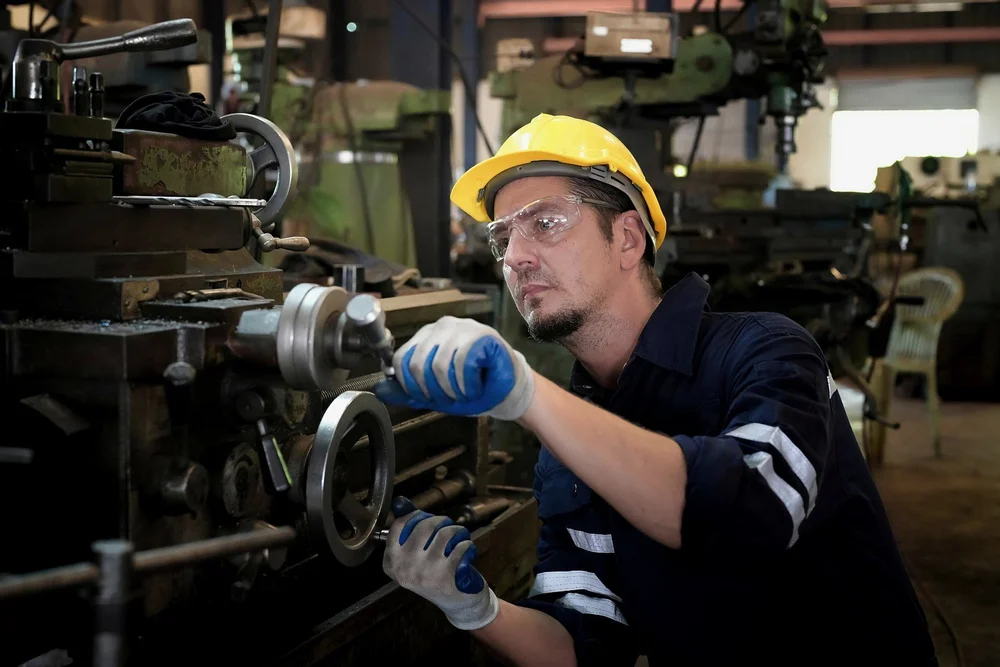 Plastics · Metals · Machinery
Manufacturers that export
You turn imported materials into finished goods and sell most of them abroad.
No duty on the goods you export
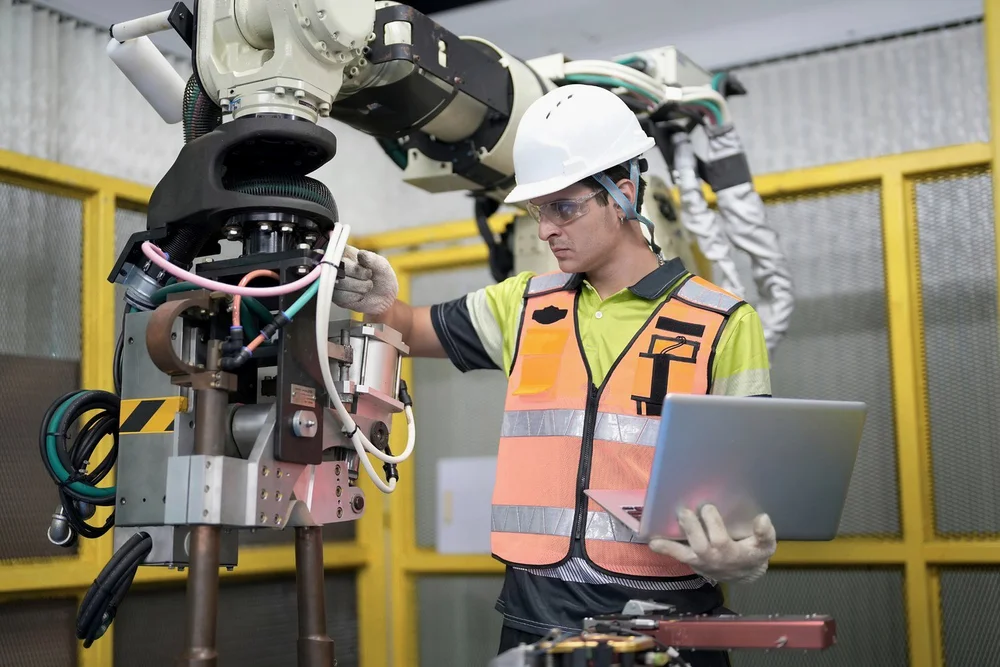 Electronics · Equipment · Tools
Repair and refurbishment
You repair, calibrate or refurbish goods for overseas customers and send them back.
No duty on the goods you send back
 Food · Drink · Pharma
Processors and packers
You process, fill or pack imported ingredients and sell the result in the UK or abroad.
Lower duty on UK sales where it applies
 Aerospace · Automotive · Marine
Assemblers
You build imported parts into larger assemblies and ship them to customers abroad.
No duty on parts that leave the UK
We also work with fashion, chemicals, cosmetics, sports nutrition, animal health and many more sectors. If you import goods and change them before they leave, IPR can work for you.
What IPR consultancy includes and what it costs
Every IPR application includes
- Your duty saving worked out before you apply
- The right route recommended for how you trade
- Rates of yield and records set up with your team
- Application prepared and submitted to HMRC on your behalf
- The guarantee and every HMRC question handled for you
- Your team shown how IPR runs day to day
How much does IPR consultancy cost?
It depends on how much duty is at stake and how many products and sites are in scope. After a free call we agree one fixed fee for the whole application, with no hourly rates.
IPR is usually worth it once you pay at least £500 a month in import duty on goods you process.
Book a free call →Services that work alongside IPR
Many businesses that use IPR pair it with these to save more duty and keep their customs running smoothly.
Trusted trader status
AEO accreditation
Builds trust with HMRC, makes your IPR application more straightforward and can reduce or remove the guarantee.
Explore AEO→Ongoing support
Monthly Customs Management
Our team runs your IPR for one fixed monthly fee: goods tracked, exports evidenced and every Bill of Discharge on time.
Explore Monthly Customs Management→Duty suspension
Customs warehousing
Store imported goods at your own site with duty suspended, and move them into IPR when production needs them.
Explore Customs Warehousing→Questions about Inward Processing Relief
Have a question not covered here? Book a free call and we'll give you a straight answer, with no commitment required.
What does an IPR consultant do?
An IPR consultant works out how much duty Inward Processing Relief could save you, then prepares and manages your application to HMRC. At Readyset that means your saving worked out first, the right route recommended, rates of yield and records set up with your team, the application submitted on your behalf and every HMRC question handled. After approval, our team can keep your IPR running and file every Bill of Discharge for you.
What is Inward Processing Relief?
Inward Processing Relief (IPR) is an HMRC special procedure that suspends customs duty and import VAT on goods imported into the UK for processing, manufacturing or repair. If the processed goods are exported, the duty is never paid. If some are sold in the UK, duty is due on that share only.
How much does IPR consultancy cost?
It depends on how much duty is at stake and how many products, sites and systems are in scope. After a free first call we agree one fixed fee for the whole application before any work starts. If you'd like us to manage your IPR after approval, that is one fixed monthly fee.
Is IPR worth it for my business?
It usually is once you pay at least £500 a month in import duty on goods you process, repair or manufacture. We work out your saving on a free call before you commit to anything.
How long does it take to get IPR?
We prepare your application and submit it to HMRC within 10 days of your first call. HMRC then makes its decision, which can take up to 120 days.
How much of our time will the application take?
Very little. We gather what HMRC needs with you, set up the records and handle every question from HMRC. Your team reviews what we prepare.
How do I apply for Inward Processing in the UK?
You apply to HMRC online for a full authorisation, at least one month before your first import. For occasional use, authorisation by declaration lets you use IPR through the import declaration itself. Our step by step guide to applying for Inward Processing Relief covers it in full, or our team can handle it for you.
When is a Bill of Discharge due?
Usually every quarter, with each one due within 30 days of the end of the discharge period. When we manage your IPR, we file every one for you.
Can I sell some of my IPR goods in the UK?
Yes. Duty is due only on the share you sell in the UK, and it can be calculated on either the imported goods or the finished product.
Do I need a guarantee for Inward Processing?
HMRC may ask for a guarantee to cover the duty and VAT suspended under IPR. We arrange it as part of your application, and AEO status can reduce or remove the need for one.
What is the difference between Inward Processing and customs warehousing?
Inward Processing is for goods you process, manufacture or repair. Customs warehousing is for goods you store without changing them. Our comparison of customs warehousing and inward processing explains when to use each, or both together.
We are based outside the UK. Can Readyset still help?
Yes. Readyset is a British customs consultancy working with importers across the UK and worldwide. We advise on who should hold the authorisation and manage the process with HMRC on your behalf.
Reviewed by the Readyset customs team · Updated October 2026 · Source: GOV.UK Inward Processing guidance
Ready to apply for Inward Processing Relief with Readyset?
Book a free call with Readyset, a British customs consultancy working with importers across the UK and worldwide. We'll work out your duty saving and agree a fixed fee, with no commitment required.
Prefer email? Email us directly